Definitions and Frameworks

Mar 24, 2026

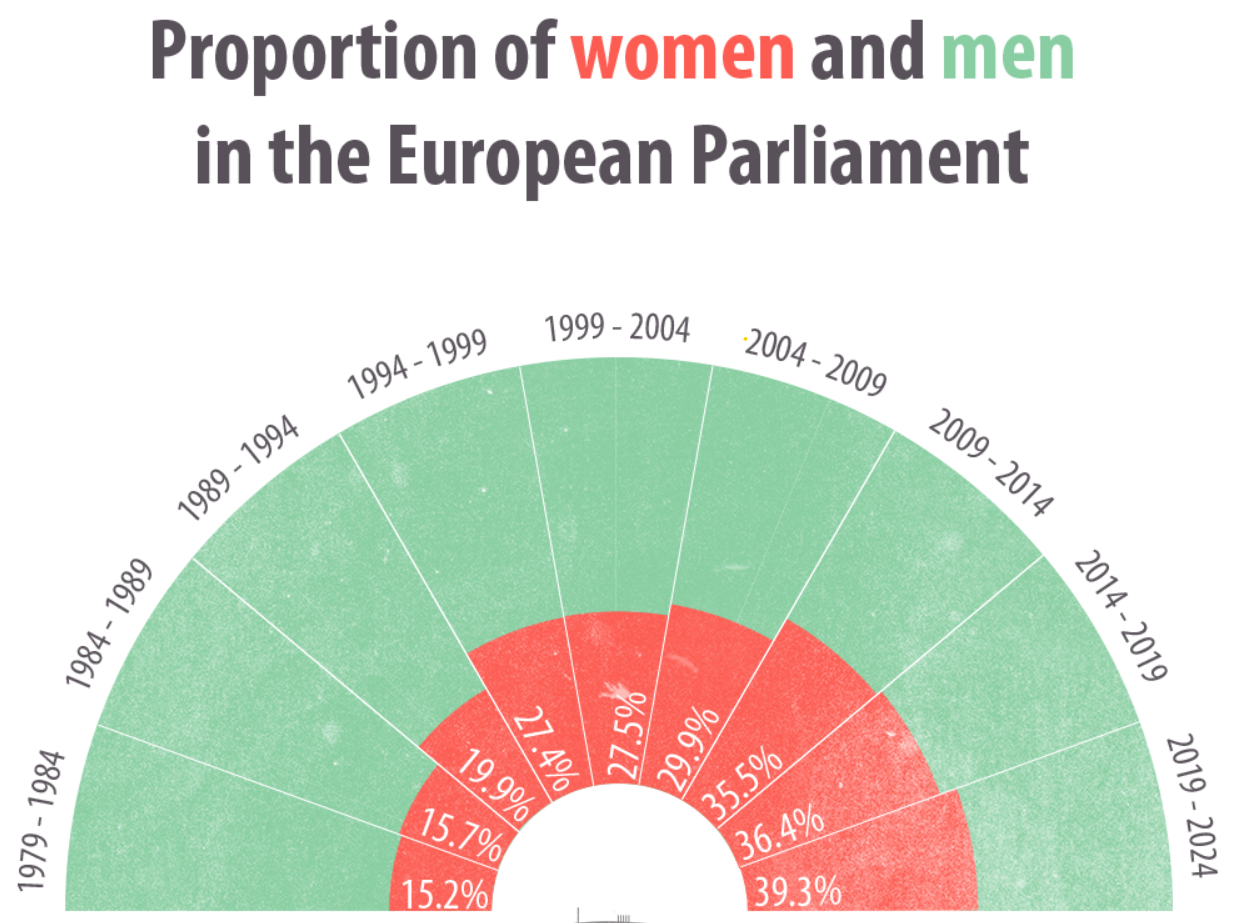
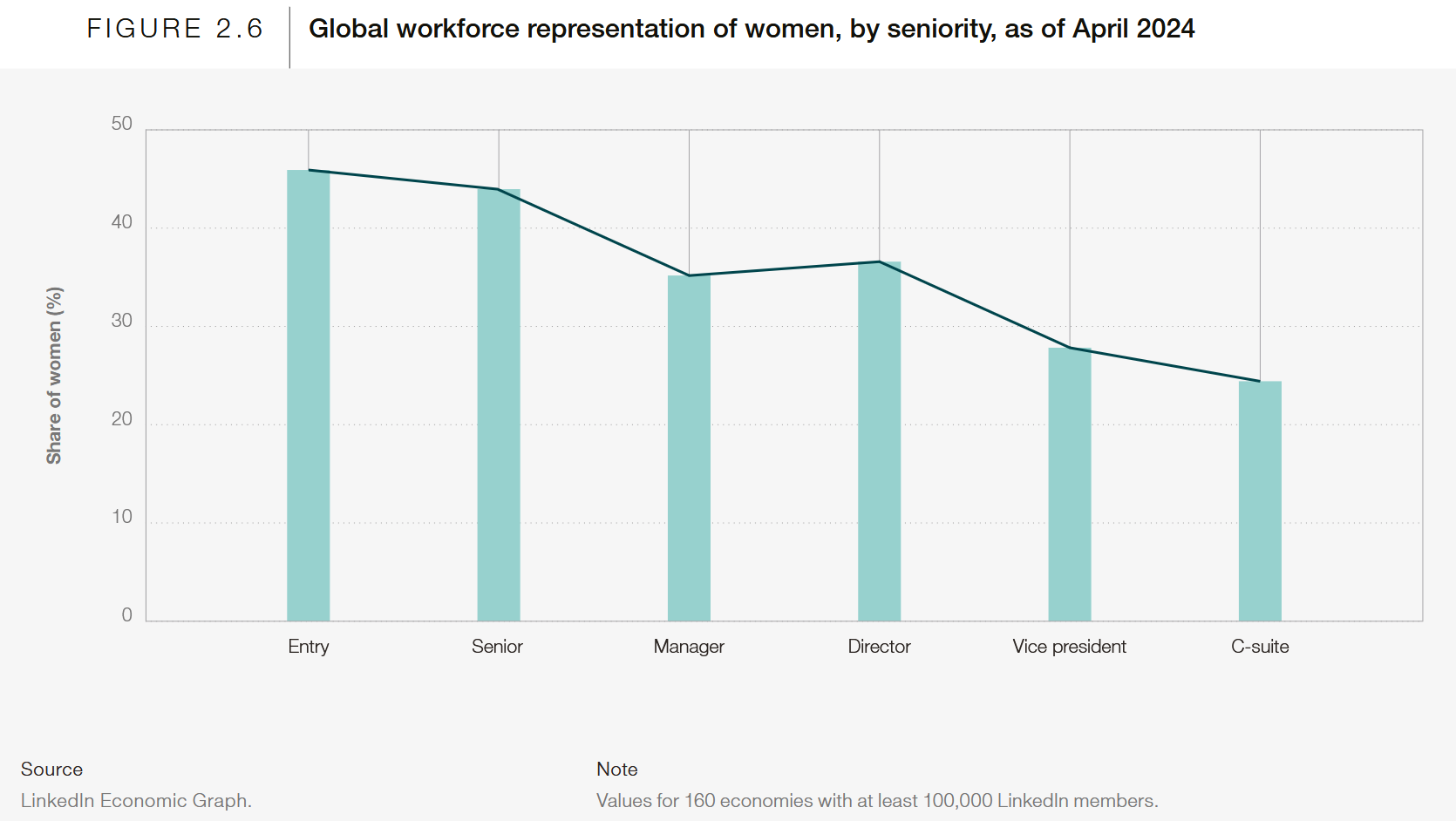
Source: European Parliament
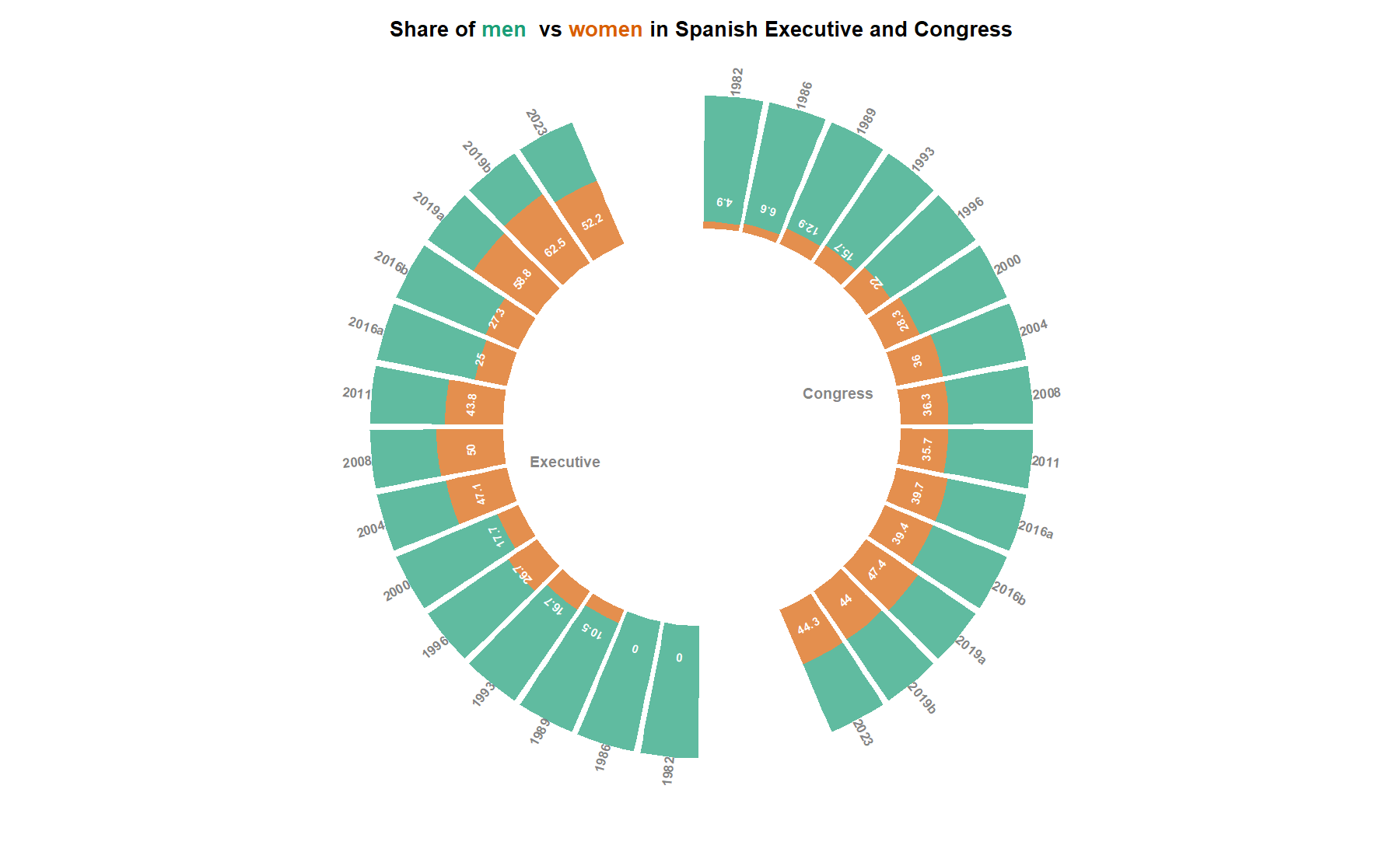
Owwn Elaboration

Why do we have to talk about “gender”?

  • is it something unproblematic, self-evident, uncontested?

  • does it matter in social life?

  • does it help us to understand the social world?

Why do we have to talk about “gender”?

  • Avoid Study of the social world from men’s perspective (taken-for-granted perspectives)

  • Sex v Gender

    • Biological differences vs social construction
  • Role v Gender

    • situated identities (doctor/patient, student/professor) v “non-specific-context” related identities
    • What does it mean to be a man/woman? Where?
  • Feminism v Gender (approach)

    • Political movement v study of social relations

The Study of Gender

  • Avoid the study of the social world from men’s perspective

    • moving away from the purely subjective perspective

    • “Sociology of women” courses (1970s)

      • i.e.: study of housework received no attention before

      • i.e.: Blau and Duncan’s 1967 “classic” study of careers, The American Occupational Structure, based its conclusions on a sample of 20,000 men. received the Sorokin Award of the American Sociological Association in recognition of its significant contribution to the social sciences!!

    • knowledge most applicable to men’s lives rather than to the lives of women >> society as all

  • “sociology of gender” entered with questions about generic thinking about ‘men’ and ‘women’

    • Other “identities”: Masculinities & Feminities

    • Study the “forms/ways/how-to” to be a man/woman

    • acknowledgement of multiple, rather than singular expresions of gender

    • Some of them “more admitted” than others (“hegemonic masculinity/feminity”)

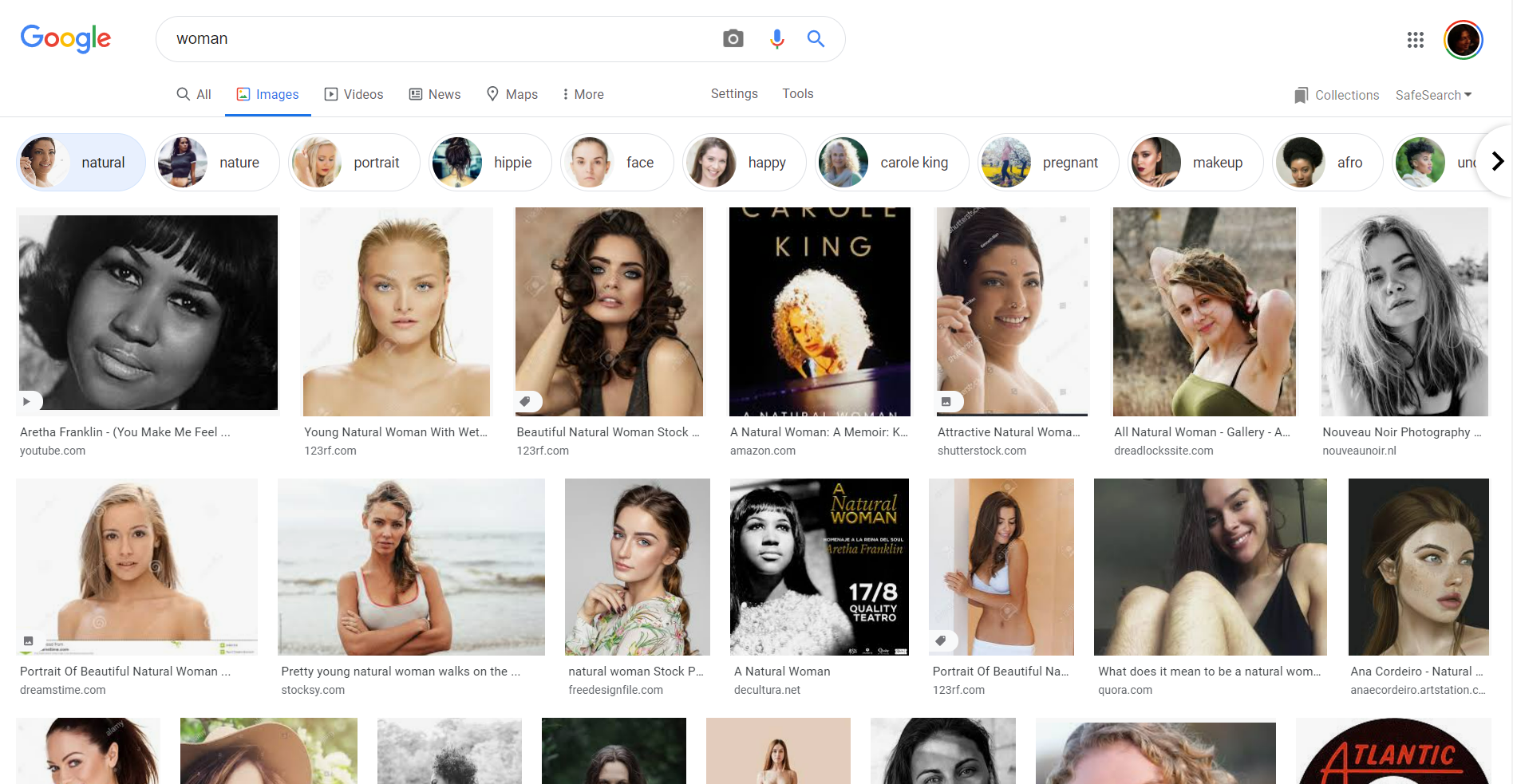
Google search: “woman”

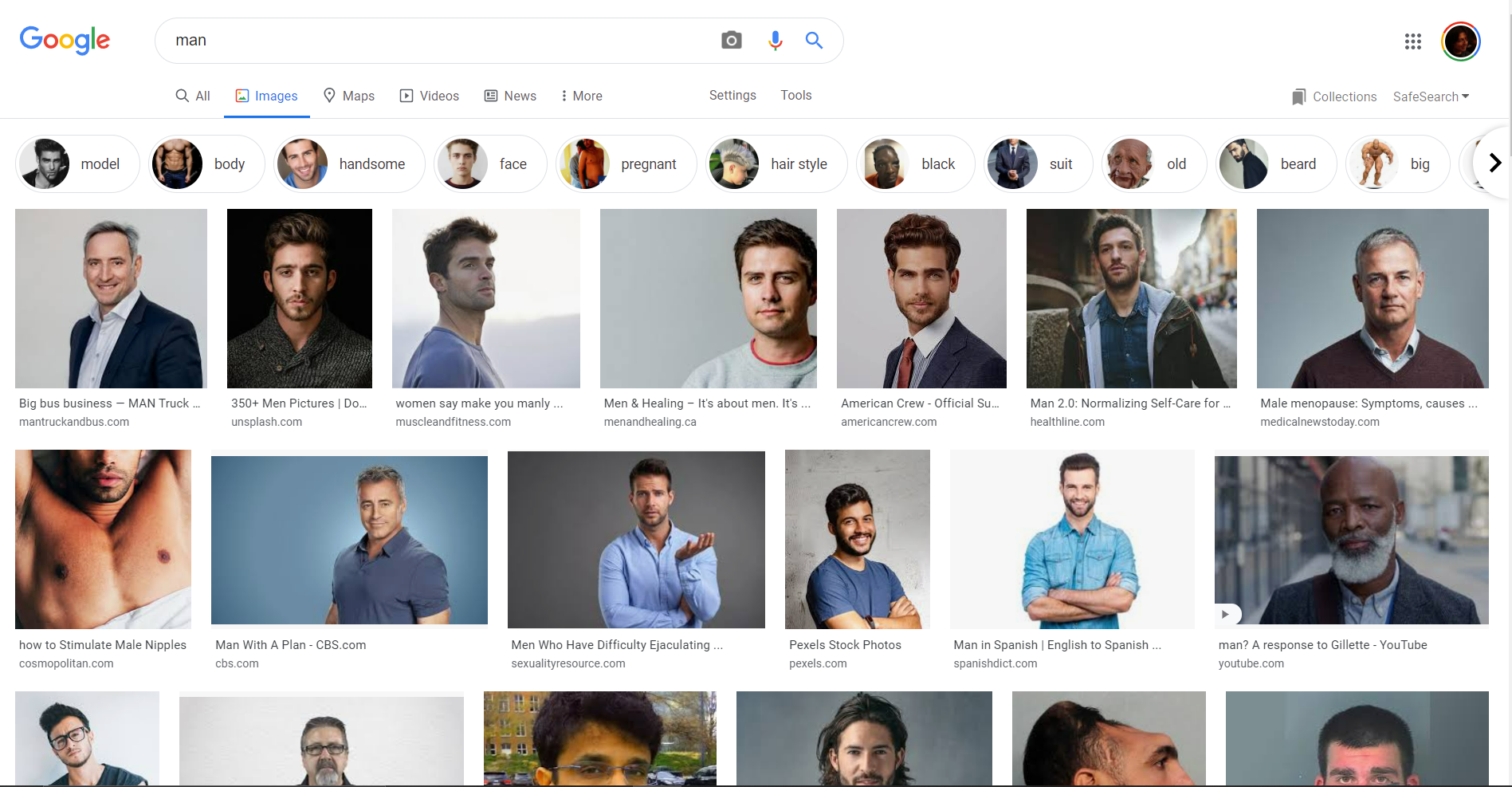
Google search: “men”
  • understanding of “Relational” feature of gender: there is no gender in a social vacuum.

    • Gender exists in between social relations: domination/subordination

    • production and reproduction of these social relations

  • including concerns about reltion of gender with other social bases of distinction

    • ethcnicity, class, sexual orientation, age, etc.

    • lived experience

The Study of Gender

  • Not unanimous
    • Different approaches (behavioral, interaction, institutional)
  • Not complete
    • Ongoing process
    • Changes over time
  • Not homogeneous category
    • Related to other social categories (race, ethnicity, class, etc.)
    • DO men/women share common interests and/or same experiences?

Gender skepticism

  • some criticism to the concept of gender

  • If gender is not an homogeneous category… men/women DO NOT share common interests and/or same experiences… ( particular lived experiences)

    • then… it becomes impossible to draw general conclusions from the study of such a “category” (men/women).
  • from this perspective >> “gender” is a product of language rather than social relations and organization.

  • “Overgeneralization problem”: assumes that conclusions based on one group of women or men can be automatically extended to all women or all men

  • Gender remains a central organizing principle of modern life in virtually every culture.

“In virtually every culture, gender difference is a pivotal way in which humans identify themselves as persons, organize social relations, and symbolize meaningful natural and social events and processes” (Harding 1986:18, in Warthon, 2005:6).

what is gender?

  • is it possible to provide a neutral definition of gender?

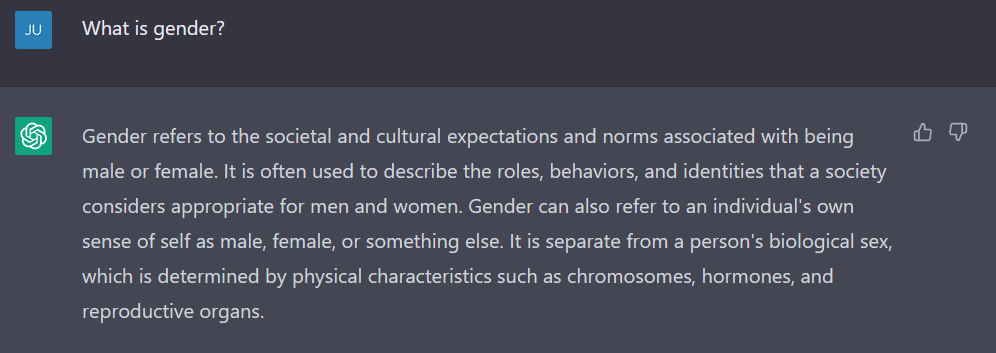
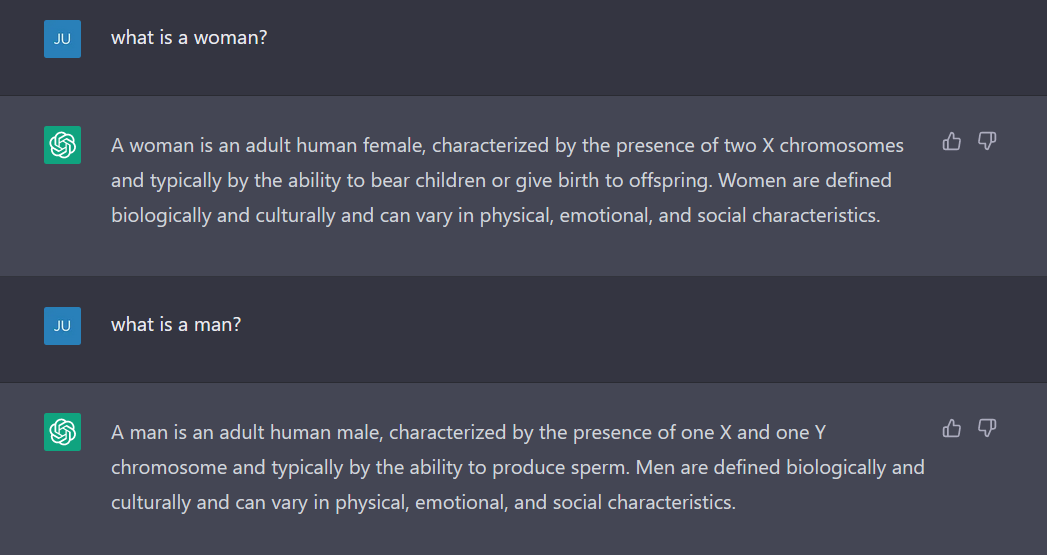
  • ChatGPT
  • ChatGPT question

Definitions

  • Minimal/narrow:

    • “psychological, social, and cultural aspects of maleness and femaleness” (Kessler and McKenna 1978:7)
  • Problems?

    • Biological/cultural differences can not be clearly separated
    • Gender as “individual” characteristic: biological, behavior or personality traits?
  • Working:

    • “system of social practices”; this system creates and maintains gender distinctions and it “organizes relations of inequality on the basis of [these distinctions].” Ridgeway and Smith-Lovin (1999: 192), Wharton (2005)
  • gender involves the creation of both differences and inequalities.

  • Evolving definition

  • Key >> Social practices

Definitions

  • 3 features of Wharton ‘working’ definition:
  1. Process, not fixed
    • ‘doing’, not merely ‘expressed’ gender
  2. Social, not individual
    • System, interactions, multilevel.
  3. Organizes/produces/reproduces inequality
    • Gender is an important principle/dimension upon which social resources/roles are distributed (we can debate about this)

Frameworks

  • 3 main frameworks for the study of Gender: where the (sociological) action is related to social practices that produce gender
  1. Individual: biological, traits, personalities, emotions, etc.
    • e.g.: Socialization
  2. Social interaction: Contextual, social relations.
    • e.g.: social expectations and social categorization
  3. Structural: ‘Gendered’ Social institutions
    • institutions are ‘rules’ and are not gender neutral.
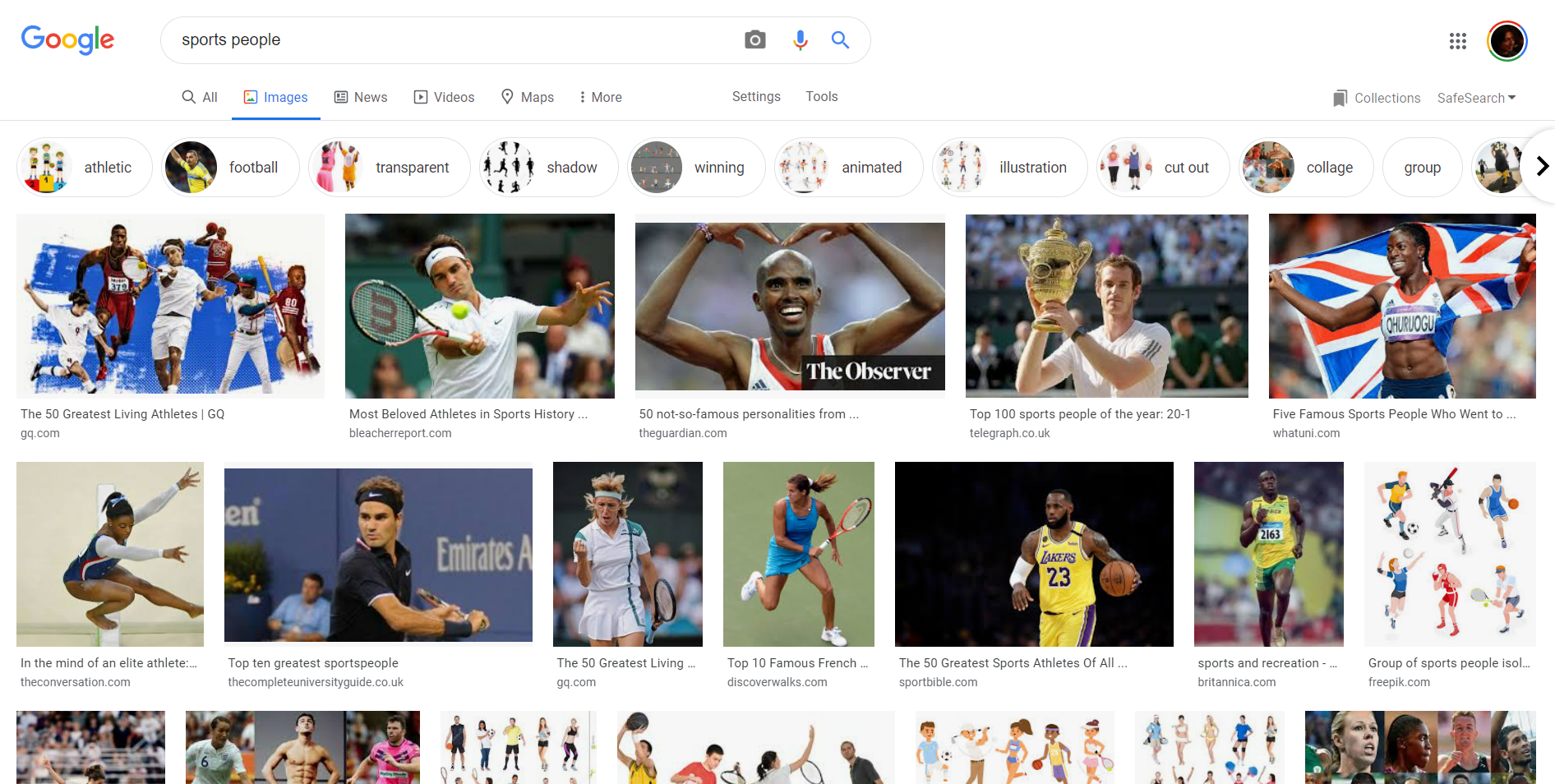
    • e.g.: sports, work, education, religion, family, legal system, marriage, parenthood, etc.

Google search: “sports people”

Does it matter?

  • from the Frameworks:

    • It shapes identities and behavior of the individuals: how people see themselves, the ways they behave, and how they view others
    • It shapes social interactions: mediated by sex categorization
    • It shapes organizations and institutions: education, religion, sports, the legal system, and work, marriage, parenthood, and family