Mar 24, 2026

and here
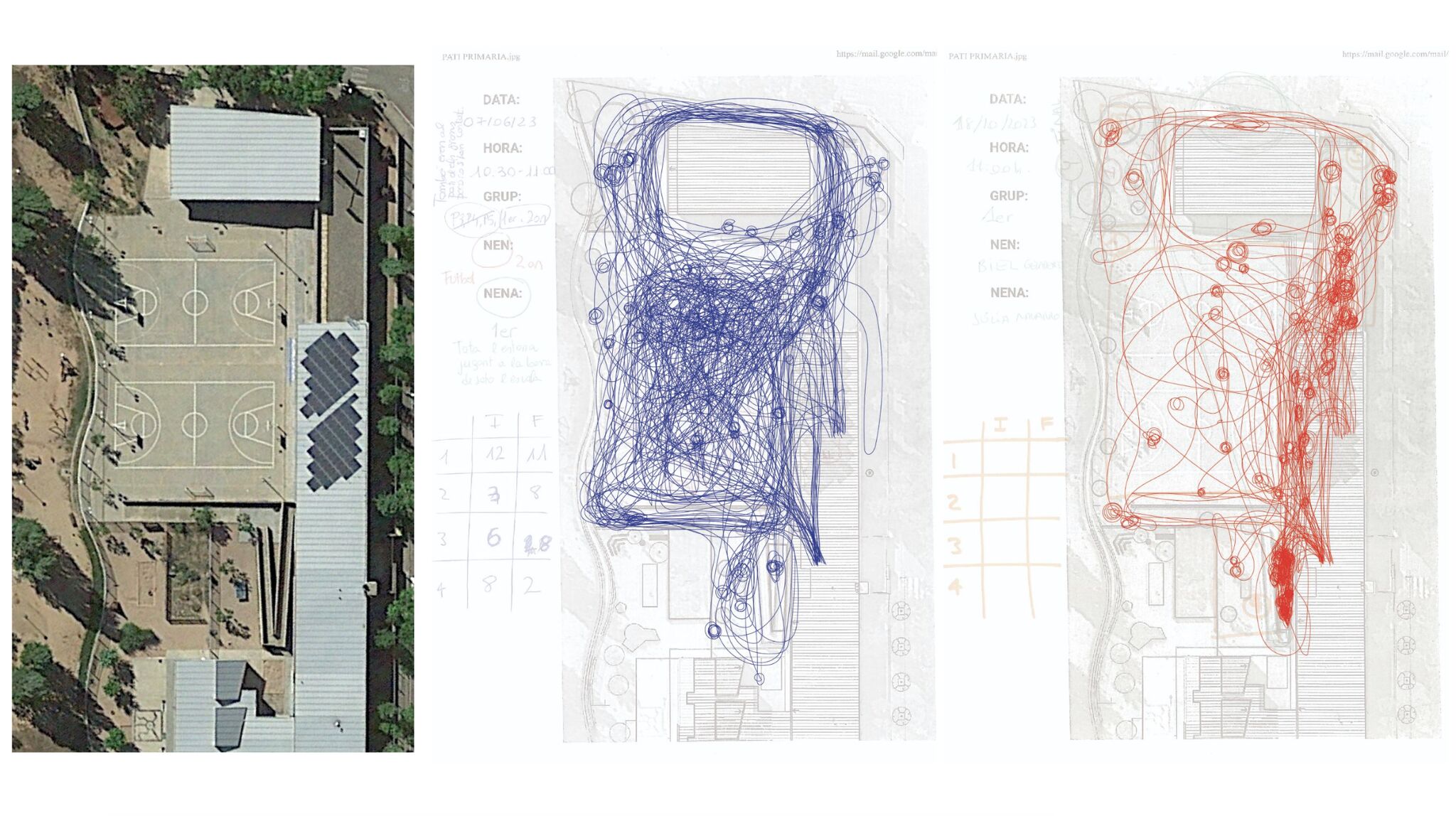
“Schoolyards play a pivotal role in shaping children’s perceptions of themselves and their positions within the broader social fabric. The schoolyards serve as the primary public outdoor space and a”no rules” arena for children, where they autonomously navigate social hierarchies.”
“Physically active, strong kids, take up the central part of the schoolyards (most of them blue-boys), leaving space for the trajectories of (unwillingly) less active kids on the peripheries (red-girls). This becomes even more evident in ‘football-centric’ designed outdoor spaces.”
Social life happens in institutions and organizations: workplaces, schools, business, government, etc.
what is it an organization? what is it an institution?
definitions:
organization: social unit established to pursue a particular goal (Wharton, 2005:65)
institution: rules of the game (Jepperson 1991: 143), more permanent pattern/routine/logic.
education >> schools
is gender present in institutions and organizations?
are organizations gendered?
but…. institutions have been historically…
developed by..
dominated by..
interpreted from the perspective of…
…men
what does it mean to study “gendered organizations”?
gendered division of labor at work is a product of historical processes >> industrial revolution and the modern organization of work. (Kalev & Deutsch, 2018)
before industrial revolution work was divided along gender lines, but both men and women participated in small scale, mostly family-managed, agricultural and manufacturing
their tasks often overlapped and there was little-to-no devaluation of women’s work
industrial revolution replaced family and slave work with market work
new paid labor force that fed factories and mines was composed of men
origins of the gendered division of labor
“Separate spheres ideology”
also, labor protection laws (U.S.): gender segregation, excluding women from manual labor jobs (risk to women’s health or dignity).
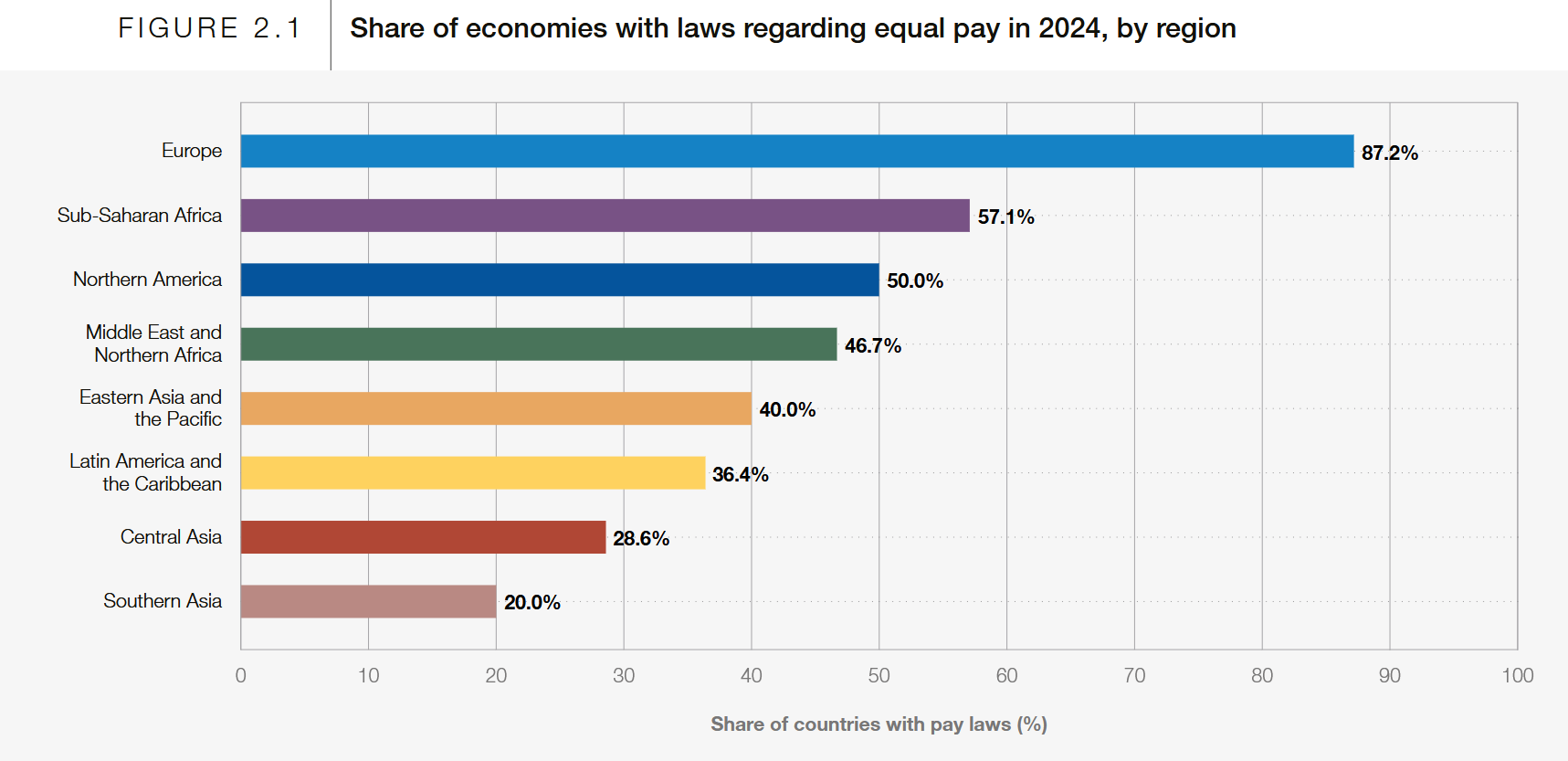
1960’s >> new regulations disallow discrimination on the basis of sex and enhanced pay equity
women’s labor force participation increased steadily until the mid-1990s and has been declining slightly ever since
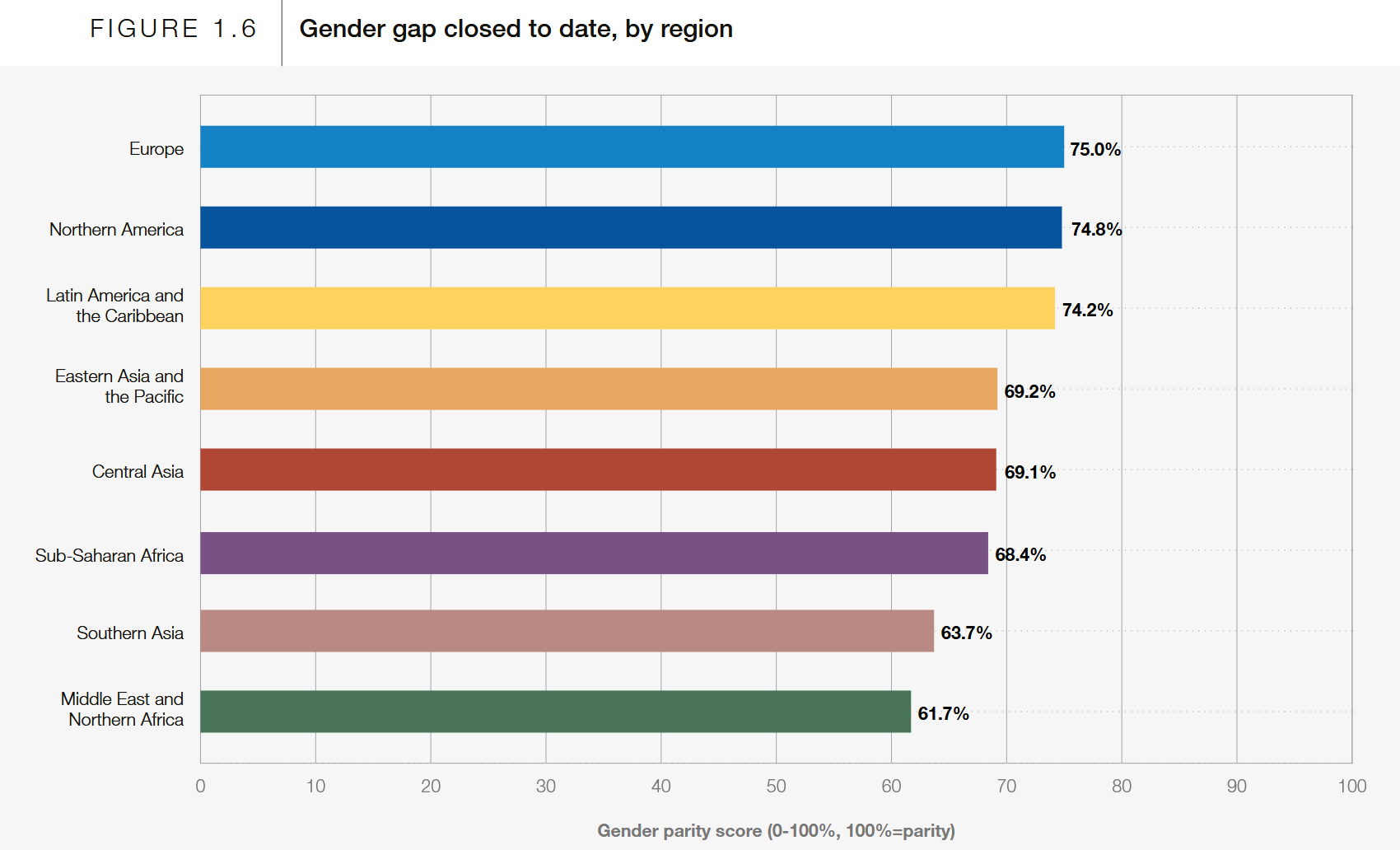
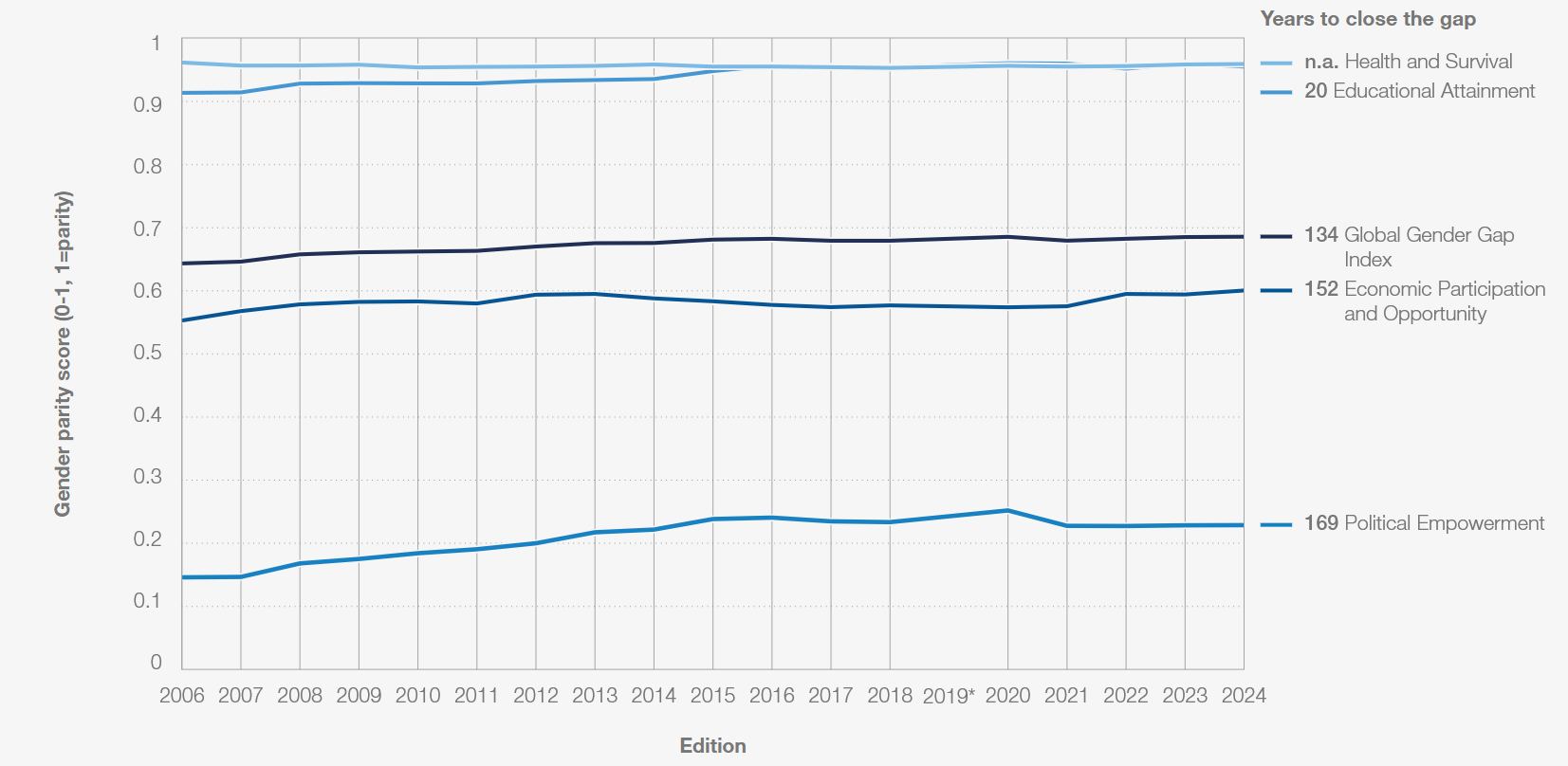
gender pay gap still exists:
“To say that an organization […] is gendered, means that advantage and disadvantage, exploitation and control, action and emotion, meaning and identity, are patterned through and in terms of the distinction between male and female, masculinity and femininity”
Acker (1990) departs from feminist theory >> understanding organizations.
before, lack of explanation of male domination in organizations.
why is it important to understand organizations from gender perspective?
how?
division of tasks, places, locations, positions, and so on..
implementation of symbols that represent and maintain those divisions. >> dress code, language, values… but also TV and culture. “successful business man and leader”
interactions >> men in the center of the scene (talk more, interrupt more, etc.)
production of individual identities (as a consequence of those mechanisms)
gender underlie organization rules (documents, contracts, structure, hierarchies, job evaluations, etc.)
relevant mechanisms:
formalization of rules inside organizations
bureaucracy and formal rules >> can encourage or dicourage women participation at work
formal rules do not challenge the gendered assumptions >> they reproduce inequality (Acker, 1990)
“biased formalization” >> workers in highly formalized workplaces are less likely to perceive inequalities as being due to discrimination (Kalev, 2014)
i.e.: unnecesary physical test for job candidates, evaluations that allow managers to be credited for tasks done by subordinates, etc.
2 Job evaluation
not just skills, knowledge, or effort… but also, some managerial values (what is most valuable?)
gender neutral assumption >> jobs are not people
the “ideal worker” norm (as part of the separate spheres ideology)
The “ideal worker” has no explicit gender. But… the time devotion and traits expected from the ideal worker are incongruent with women’s gender role
ideal worker’s time:
“the abstract, bodiless worker, who occupies the abstract, gender-neutral job has no sexuality, no emotions, and does not procreate.” (Acker, 1990:151)
The history of modern organizations includes the suppression of sexuality due to the interests of the organization. (Acker, 1990)
the attempts to banish sexuality from workplace was part of a wider process to differentiate home (the location of legitimate sexual activity) and work (the place of capitalist production)
stigmatization of women’s bodies and sexualities within the organization >> cause of exclusion or sexualization for women’s jobs
at the same time, the hegemonic masculinity plays a role in the organizational power and hierarchy
hegemonic masculinity >> strong, technically competent, authoritative leader, sexually potent, with family and with controlled emotions.
quite related to the “ideal worker’s norm”
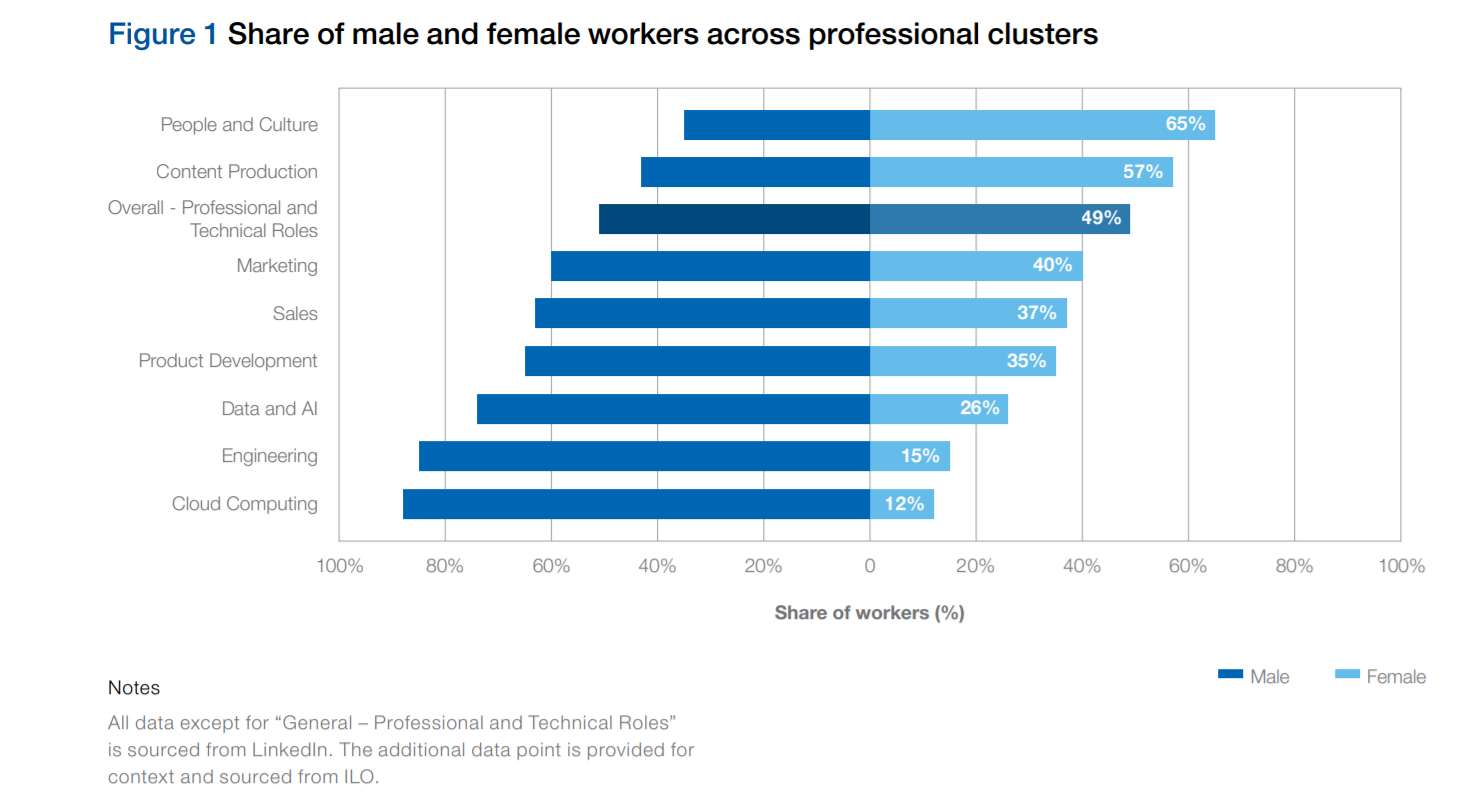
how are these workplace gendered differences nowadays?
is there some way to close the gap?
is there some way to close the gap? (Kalev and Deutsch, 2018)
structures promoting equality:
women as agents of change