intersectionality
Mar 24, 2026
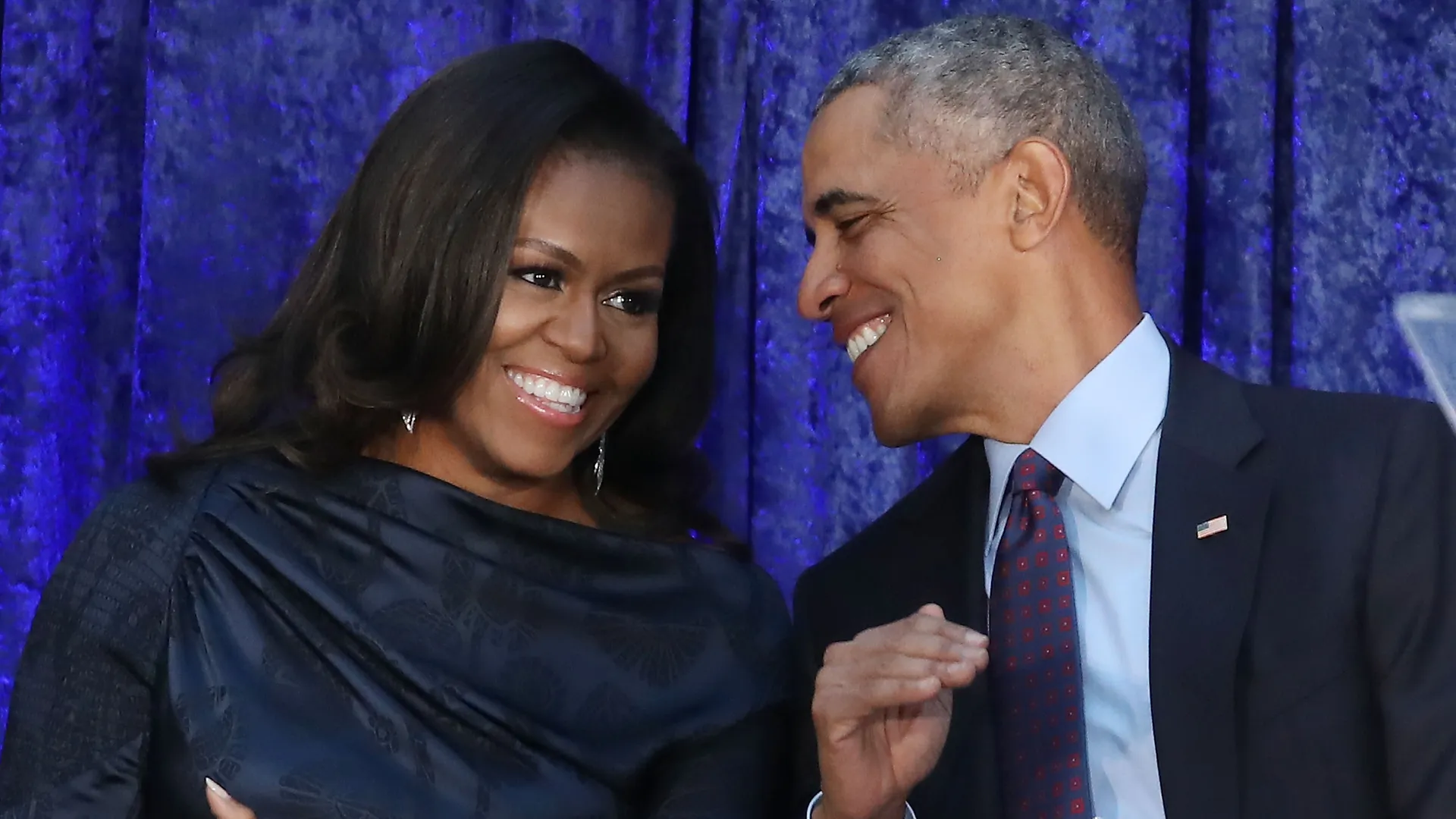

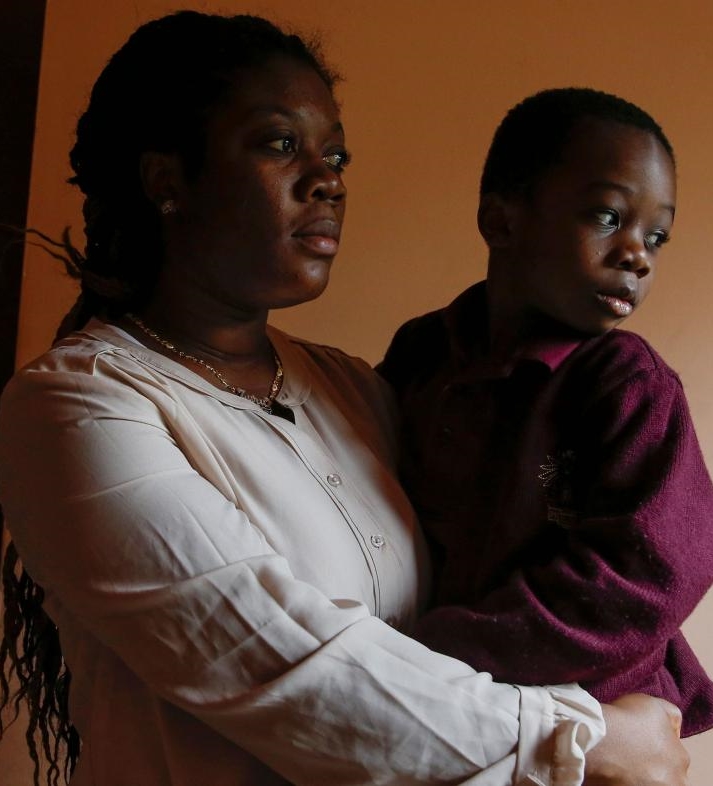
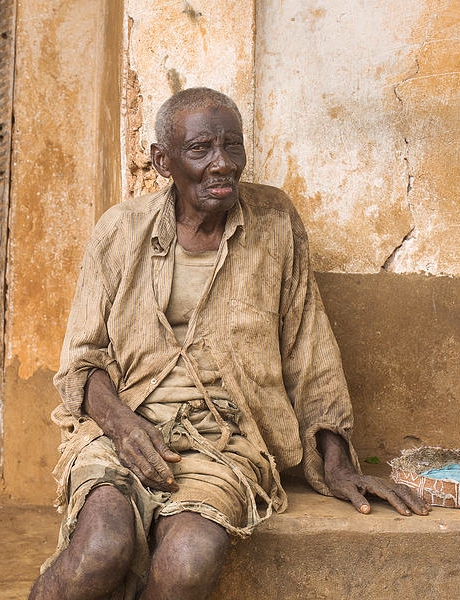
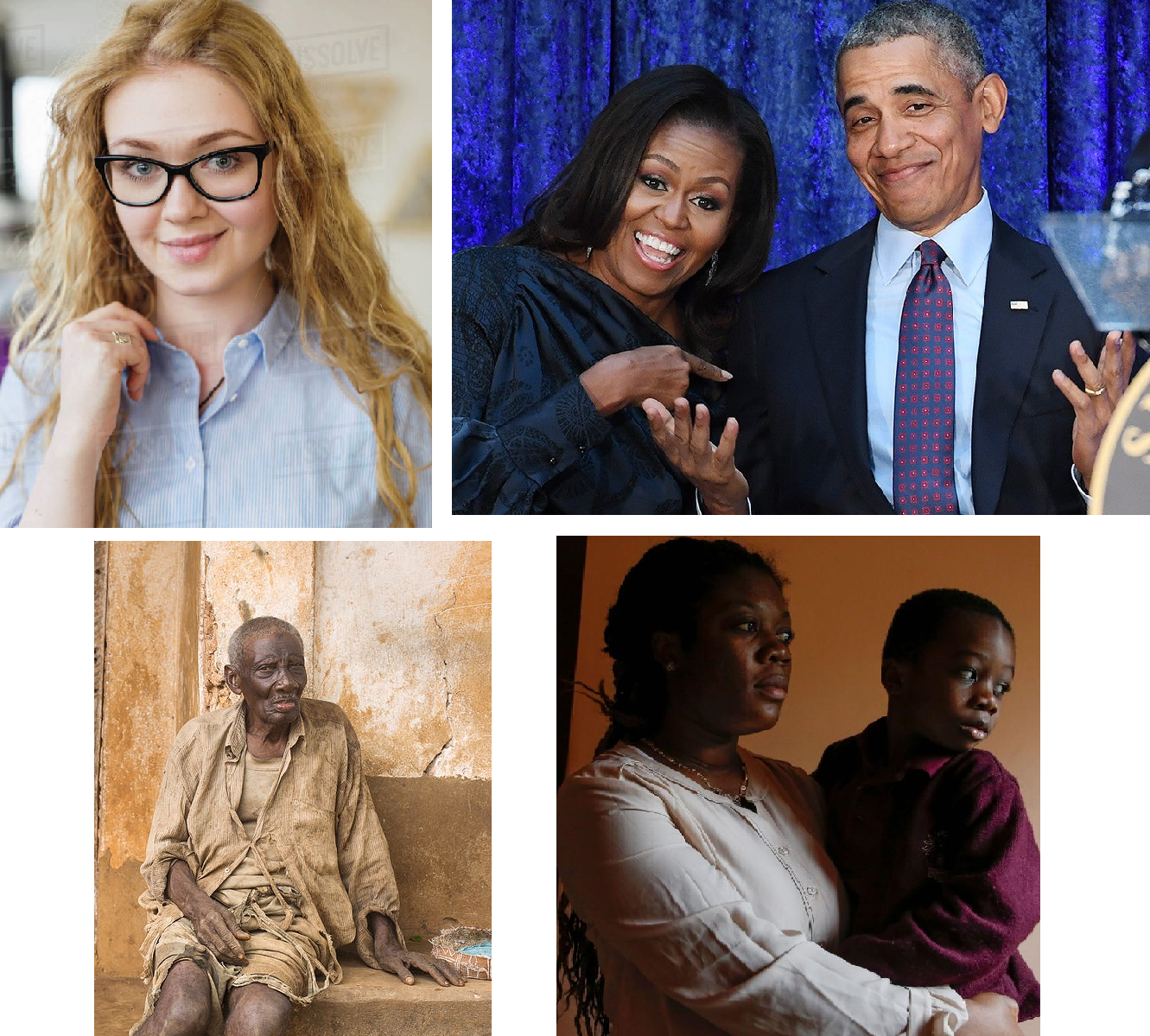
who is more vulnerable?
who is more powerful?
why?
intersectionality
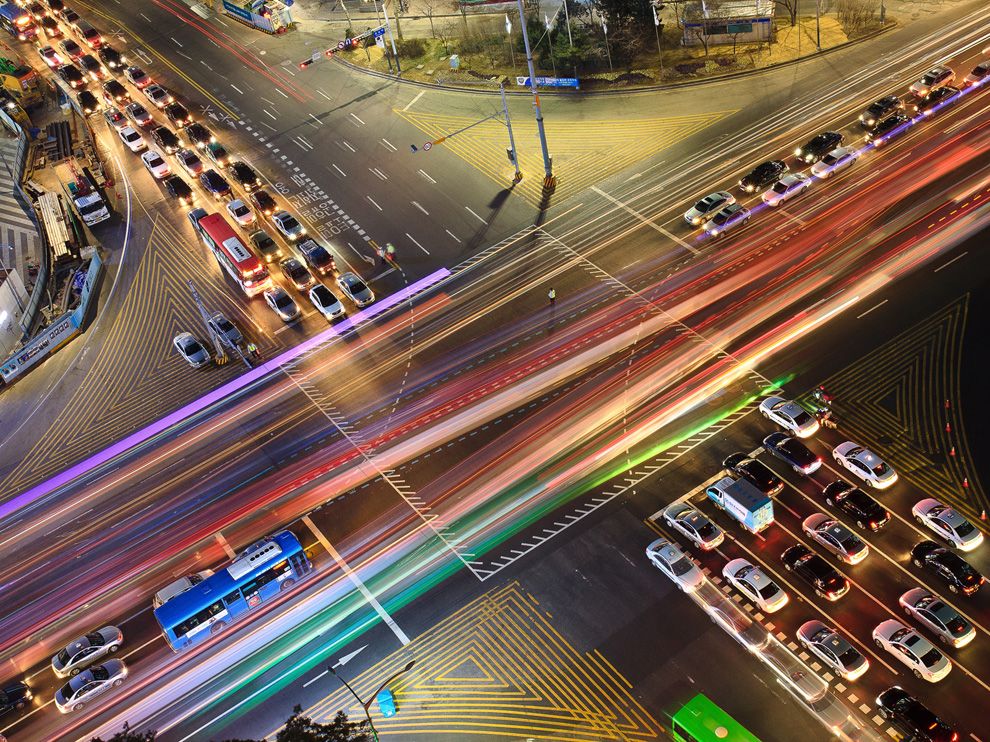
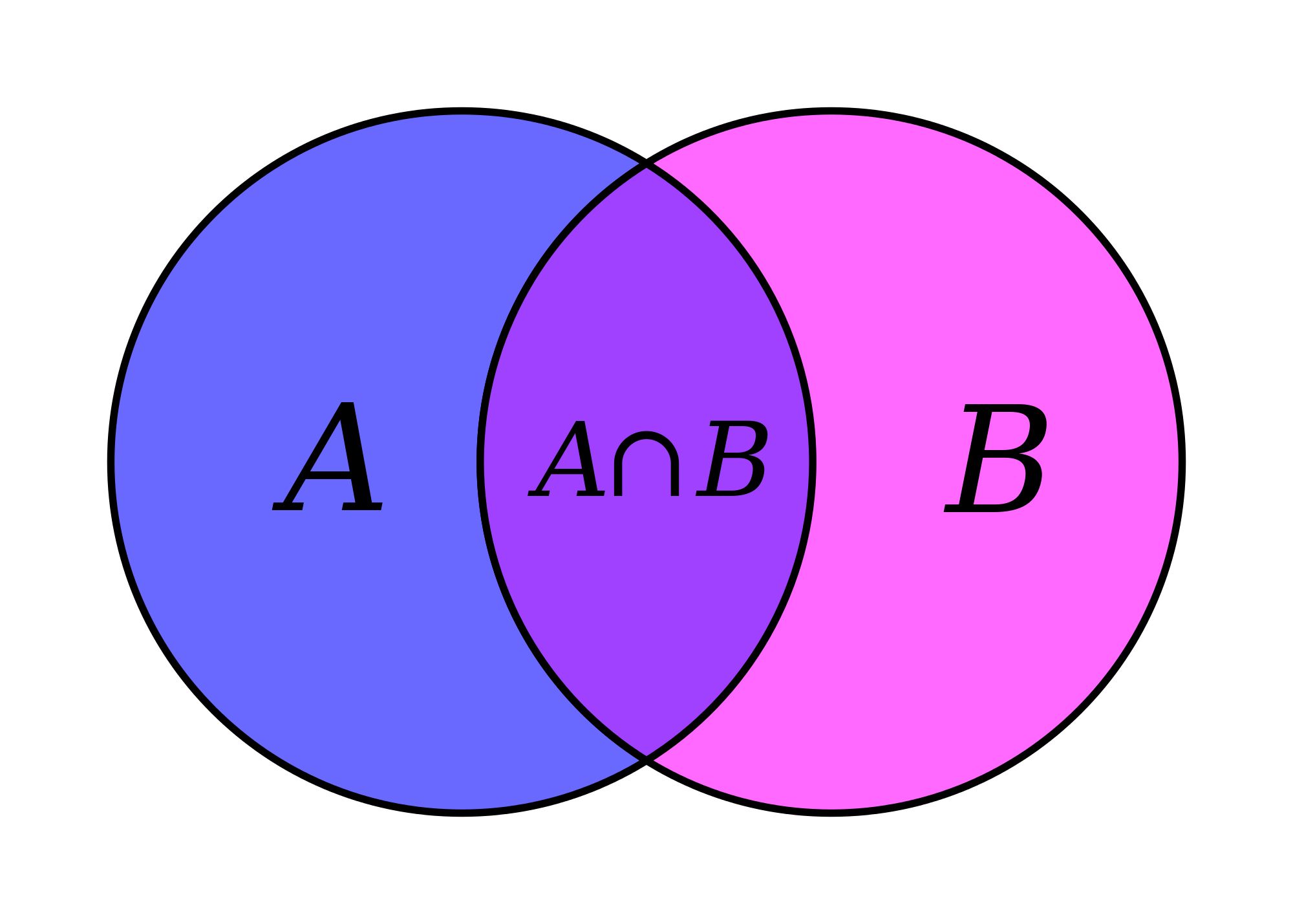
what is an intersection?
intersectionality
“Intersectionality is a black feminist theory of power that recognizes how multiple systems of oppression, including racism, patriarchy, capitalism, interact to disseminate disadvantage to and institutionally stratify different groups.” (Robinson, 2018)
coined in 1989/1991 by American critical legal race scholar Kimberlé Williams Crenshaw
Demarginalizing the Intersection of Race and Sex: A Black Feminist Critique of Antidiscrimination Doctrine, Feminist Theory, and Antiracist Politics (1989)
Mapping the Margins: Intersectionality, Identity Politics, and Violence against Women of Color (1991)
it has been interpreted and discussed in various ways – e.g., as a theory, methodology, paradigm, lens or framework. (Hankivsky, 2014)
intersectionality
understanding human beings as shaped by the interaction of different social locations (e.g., ‘race’/ethnicity, Indigeneity, gender, class, sexuality, geography, age, disability/ability, migration status, religion)
the theory accounts for how systems of oppression reinforce each other
Understanding how gender identity and disadvantage are experienced differently across social statuses is central to uncovering and delineating how power works
intersectionality
brief history
it can be traced to black women’s theorizing about their lives in nineteenth century (slavery)
“double disadvantage” >> gender and race statuses meant that they were especially vulnerable to gendered violence and capitalist exploitation.
evolved into “multiple jeopardy” (King, 1988) >> capture the systemic, institutional, and micro-level, interpersonal discrimination black women experienced.
The “Negro Question” and the “Woman Question” were seen as separate issues because the “Negro Question” was inherently about black men and the “Woman Question” was chiefly about white women, and often economically privileged white women (Beale, 1969).
intersectionality is born of and rooted in black women’s standing and theorizing in the gap
- black women’s experience of gender was always fundamentally different from that of white women
this efforts highlighted the unequal categories of difference that left black women without access to the privileges that facilitated white women’s dominance.
class, gender, and race that emerged from enslavement continued to shape the order and nature of systems of oppression long after abolition.
the suffrage cause >> all white women, even poor, gained access to a valuable sociopolitical tool that black women didn’t have >> racialized boundaries of gender.
intersectionality
brief history
within feminist movements there were differences in the understanding of inequalities across class and race
tensions that were reflected in emergent Women’s Studies spaces, women’s organizations, activist concerns, and policy prescriptions
1960s white women theorists were unable to clearly articulate how black women’s oppression enabled their own relative privilege
they were unaware of the different conditions and huge disproportion of opportunities >>
absence of violent environment
reproductive control >> poor women across racial groups subjected to sterilization campaigns that took away their reproductive control, often without their knowledge (Roberts, 1997), high costs of birth control and safe abortion procedures
out of the activism of the 1960s >> black feminist theories of gender, race, and class, proliferated in the black public sphere.
intersectionality
what happened after?
1990s there was a cultural shift >> proliferation of ideas about women’s individual power represented a challenge of these structural analyses
notion that feminism had completed its goals (equal pay, bodily autonomy, and access to previously closed portions of the labor market) was widespread.
but in the mid 2000s social media brought a revival of black feminist movements:
Internet provided grounds for movements against rape culture, black lives, black and Latinx women, criticism to appropriation of indigenous women’s experiences, criticism to excluded transwomen and lesbian women, and gender violence
#SayHerName
theorists are still teaching the fundamental lesson that racial and ethnic minorities can simultaneously be women, gay, disabled, or trans and that their lived experiences and oppression intersect across systems of racism, sexism, heteropatriarchy, ableism, and cissexism.
intersectionality
double challenge
black and latinx women theorists and activists set a double challenge to current theories >>
challenged theories of racial capitalism that did not include analyses of gender
challenged theories of gendered capitalism that did not include analyses of race (Moraga & Anzaldúa, 1983).
theoretical developments
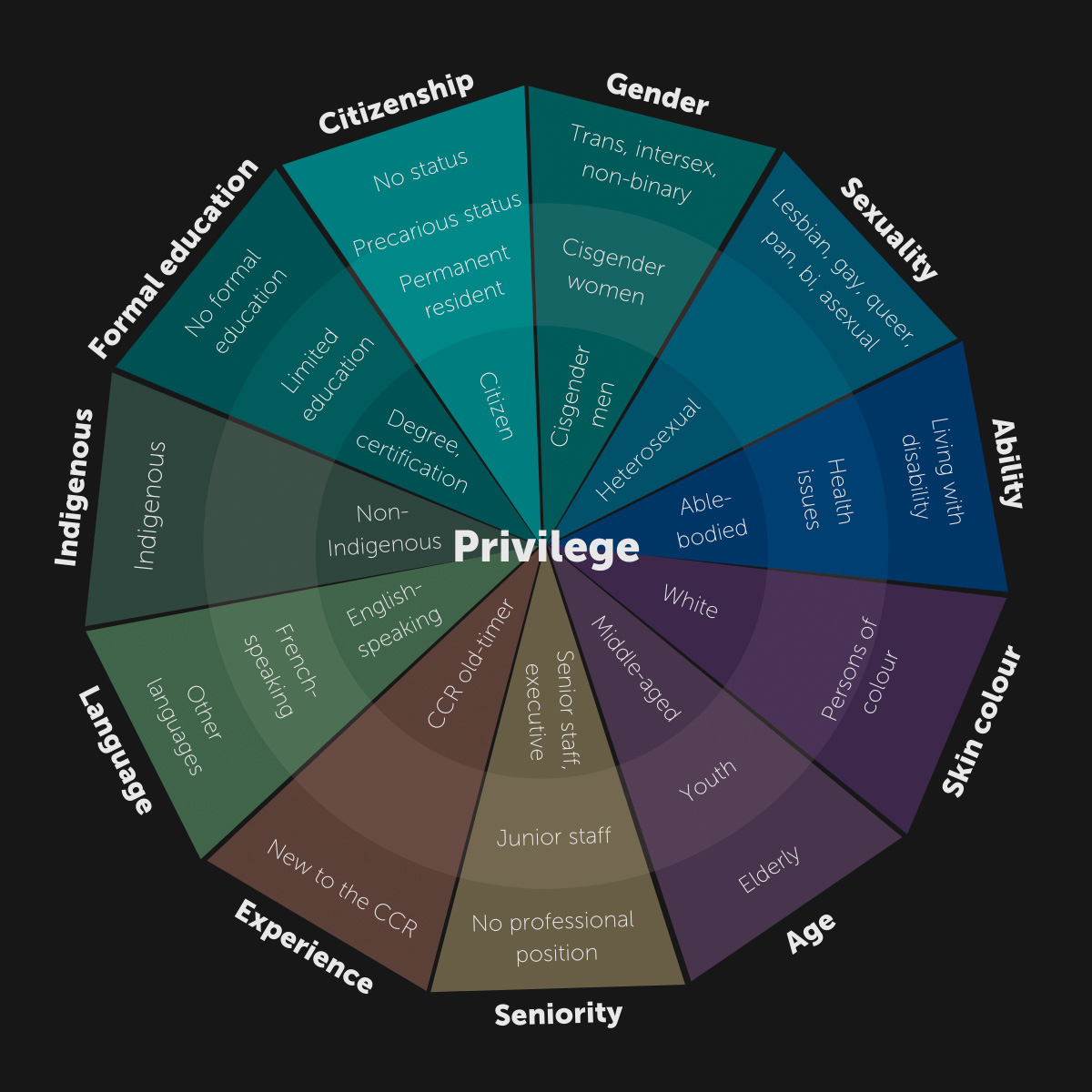
intersectionality as a theory of power >> everyone, regardless of status, to be located in the “matrix of domination” (Collins, 1990)
- systems of race, class, gender, sexuality, and ability oppression intersect to locate and either constrain or enable individuals based on their multiple intersecting statuses
as a theory of power in relationships, intersectionality highlights how various systems of oppression (racism, sexism, capitalism, and heteropatriarchy) intersect and reinforce each other in order to stratify and dominate minority groups.
intersectionality
theoretical developments
as an alternative epistemology to the conventional practice of gender theory, which often assumes implicitly normalized gendered subjects as race-less, middle class, able-bodied, or white.
Intersectionality makes such normative assumptions visible by focusing on power relationships
accounting for how multiple systems of power simultaneously act on individuals contradicts the “universal subject” that experiences gender advantage or disadvantage in relatively uniform ways.
Intersectionality is at once a stand-alone theory of structural power relationships, a key form of gender theorizing, and an alternative to conventional gender theory
intersectionality
theoretical developments
as a challenge to rigid Marxian inequality discourse that situated class and capital as the essential form of domination, with gender domination only a consequence of class domination >> gender dominance exists and persist in economic contexts beyond capitalism.
set divide lines across theoretical frameworks.. constructionism (theory of difference -“doing gender”) vs systems of oppression (theory of power)
Intersectionality reject the logic of the primacy of essential gender oppression in the same way that they dismissed rigid Marxian focus on the dismantling of capitalism.
intersectionality
theoretical developments
the questions were not about difference, as it were, but about power, which was embedded in interlocking systems of oppression.
questions of power require attention to systems, structures, and institutions, and engagement with the interlocking nature of those systems
 {height= 500}
intersectionality
methodological challenges
there is no consensus about methods to adequately account for intersectionality >> became a critical issue to the theory’s further development
McCall (2005) proposes 3 methodological perspectives after institutionalization of race and class studies within the field of intersectionality:
within groups (“intracategorical”) >> sheds lights on previously neglected groups within a category while recognizing the socially constructed nature of categories
across groups (“intercategorical”) >> accepts categories but only to demonstrate the relationships of power between groups
no-groups (“anticategorical”) >> rejects categories because of their inherent fluidity and impermanence (ethnomethodological, categories as “simplifying social fictions that produce inequalities in the process of producing differences”)
more quantitative (across)
more qualitative (within and no-group)
Intersectionality first and foremost reflects the reality of lives (Shields, 2008).
intersectionality
methodological challenges
there is now considerable consensus growing that one must always take into consideration multiple axes of oppression; to do otherwise presumes the whiteness of women, the maleness of people of color, and the heterosexuality of everyone” (Risman, 2004:442).
richer and more complex ontology than approaches that attempt to reduce people to one category at a time.
social positions as relational.
privilege << >> oppression axis
intersectionality
some criticism
social divisions have different organizing logics (Skeggs, 2006)
‘Race’ cannot be treated in the same way as social class (Obamas).
‘different inequalities are dissimilar because they are differently framed’ in society.
‘policy strategies not only in the similarity, but also in the distinctiveness of inequalities’ (Yuval-Davis, 2008).
intersectionality
future directions
accumulation of intergenerational disadvantage from an intersectional perspective.
multiple ways disadvantaged individuals make labor choices in the wake of discrimination (sex work)
study of economically elite racial and ethnic minorities >> how interlocking systems of oppression work across groups (Obamas again).